
How Long Does a Deck Last in Ontario?
A well-built deck can last for decades in Ontario, but its lifespan depends on far more than the deck boards alone. In Ontario, freeze-thaw cycles, trapped moisture, poor airflow, UV exposure, material selections, and construction quality all play a major role in how long a deck will actually last.
As a general rule, a pressure-treated wood deck may last around 15 to 25 years, while composite and PVC decks can last 25 to 50 years or more, depending on the product, installation quality, maintenance, and how well the structure is protected from moisture over time.
Just as importantly, the deck surface is only part of the story. We often see older decks where the top boards still look acceptable, but the framing, stairs, railings, or structural connections underneath are already nearing failure. In many cases, how a deck is built matters just as much as what it is built from.
In this guide, we’ll look at how long different types of decks typically last in Ontario, what shortens a deck’s lifespan, and how to tell whether your existing deck may need repairs, resurfacing, or full replacement.
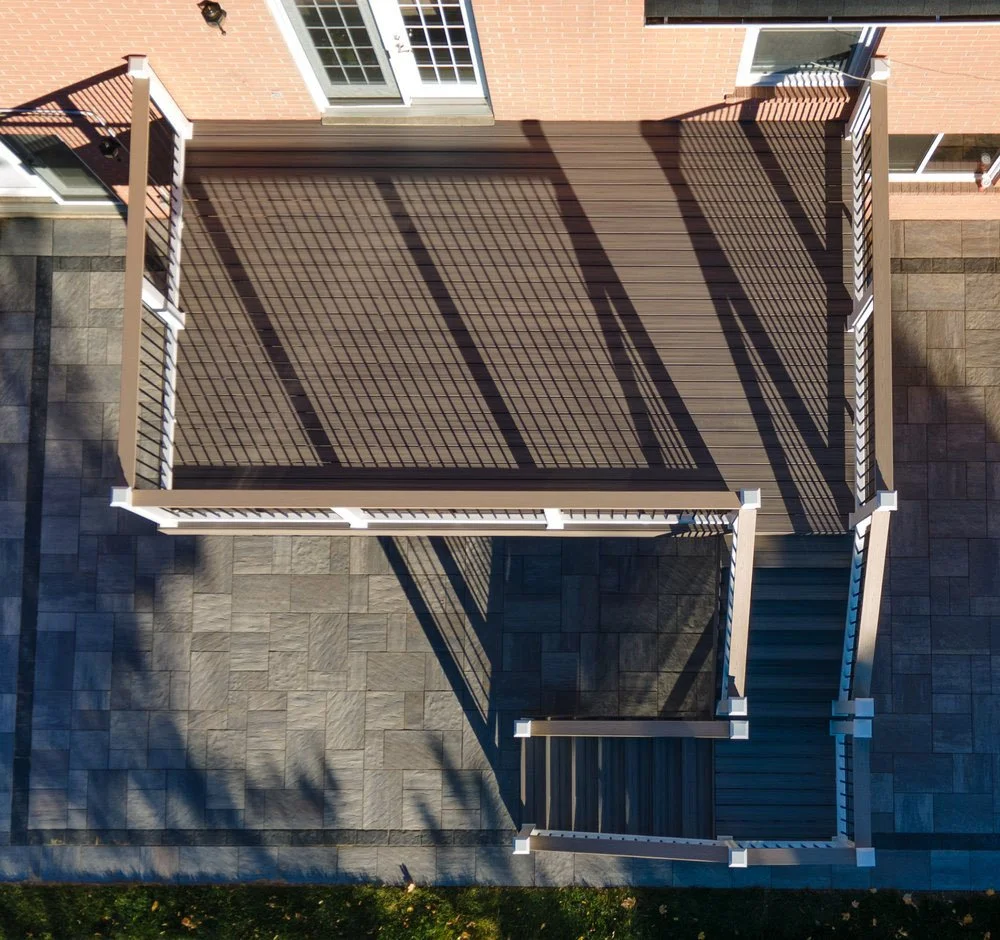
A well-built deck can deliver decades of performance, but lifespan depends heavily on materials, moisture control, and construction quality.
Typical Deck Lifespan in Canada at a Glance
For homeowners looking for a quick answer, here are some common lifespan ranges:
Pressure-treated wood: 15 to 25 years
Cedar: 15 to 25 years
Composite decking: 25 to 35 years
PVC decking: 30 to 50+ years
These are general ranges, not guarantees. Actual lifespan depends heavily on the design of the structure, the quality of the installation, exposure to moisture, the amount of airflow beneath the deck, and how well the deck is maintained over time.
How Long Do Different Decking Materials Last?
Not all decks age the same way. Some materials require regular maintenance to reach their full lifespan, while others are designed to deliver long-term performance with far less upkeep.
Pressure-Treated Wood Decks: 15 to 25 Years
Pressure-treated lumber remains one of the most common deck materials in Ontario because it is affordable, structurally dependable, and widely available. A properly built pressure-treated deck can often last 15 to 25 years, but that range depends heavily on site conditions and maintenance.
Wood decks tend to deteriorate faster when moisture gets trapped around framing, beneath low-clearance decks, around fasteners, or in shaded areas that stay wet for long periods. Regular cleaning, good drainage, proper airflow, and occasional sealing or staining can all help extend lifespan.
Cedar Decks: 15 to 25 Years
Cedar is valued for its natural beauty and natural resistance to decay, but it is still a wood product and still vulnerable to weathering, movement, and moisture-related deterioration over time.
A cedar deck can last a long time when built properly and maintained consistently, but it generally requires more care than composite or PVC. Cedar is also softer than many other materials, so it may show wear sooner in high-traffic areas.
For homeowners who prioritize a natural wood look, cedar can be an excellent option, but it should be chosen with the expectation of ongoing upkeep.
Composite Decks: 25 to 35 Years
Composite decking is a popular choice for homeowners who want the look of a finished, premium deck without the regular sealing, staining, and upkeep that come with wood.
A well-installed composite deck often lasts 25 to 35 years, sometimes longer depending on the product line and site conditions. Composite resists splintering, rot, and many of the common maintenance issues associated with traditional wood decking.
That said, composite boards do not solve structural problems beneath them. If the framing is poorly built, ventilation is inadequate, or moisture remains trapped in the structure, the deck can still have a shortened lifespan even if the surface boards themselves hold up well.
PVC Decks: 30 to 50+ Years
PVC decking is typically the most durable and lowest-maintenance option available for residential decks. Because it contains no wood fibers, it is highly resistant to moisture, rot, and many of the issues that can affect wood-based products over time.
For homeowners seeking maximum longevity and minimal maintenance, PVC is often the premium choice. It performs especially well in wet environments, around pools, and in backyards where long-term durability is a top priority.
Like composite, however, PVC still relies on a properly built substructure. The deck surface may last for decades, but the framing below it must be designed and built to the same standard.
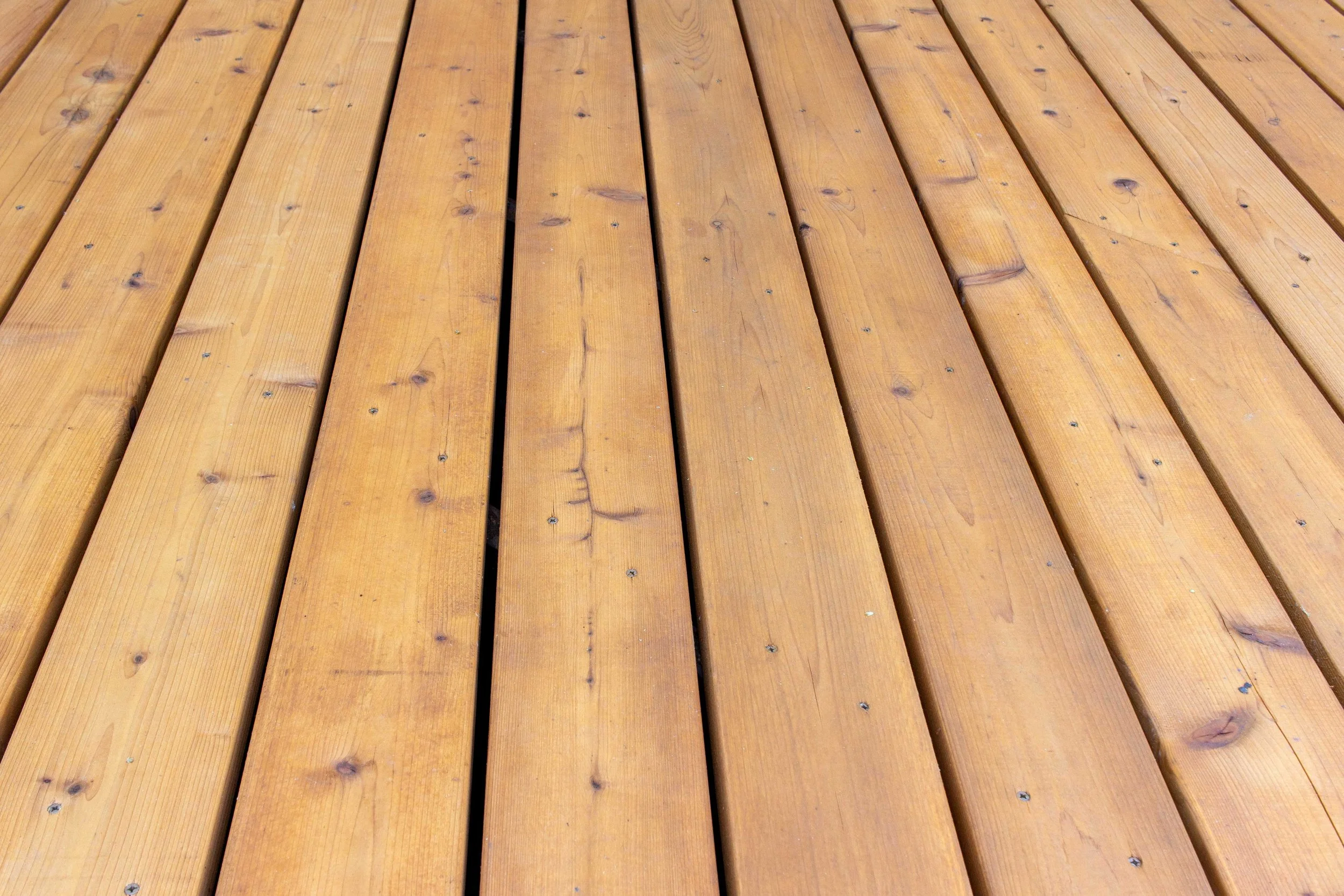
Material choice affects maintenance requirements and expected lifespan, but the structure below the deck is just as important.
What Has the Biggest Impact on a Deck’s Lifespan?
Homeowners often focus on the deck boards, but several factors work together to determine how long a deck will actually last.
Construction Quality
Construction quality is one of the biggest factors by far.
A deck built with proper footing depth, correct framing spans, appropriate joist spacing, good hardware, proper drainage, and attention to airflow will generally outlast a deck built with shortcuts, even if both use similar surface materials.
We often see premature failure linked to issues such as:
framing set too close to the ground
inadequate airflow beneath the deck
poor drainage
incorrect structural materials
weak railing connections
stair framing that traps moisture
hardware or fasteners that deteriorate over time
In many cases, decks do not fail because the surface boards wore out first. They fail because moisture and poor detailing slowly compromised the structure underneath.
Moisture and Airflow
Moisture is one of the biggest threats to deck longevity, especially for wood framing.
When a deck is built too low to the ground, or when water is constantly trapped around the framing, it takes much longer to dry out after rain and snow. Over time, this can accelerate rot, decay, and fastener corrosion.
This is one reason low-level decks often have a shorter lifespan than homeowners expect.
Material Choice
Higher-end deck materials can reduce maintenance demands and improve long-term durability, but they do not eliminate the need for proper design and installation.
A premium deck surface installed over poor framing is still a problem. On the other hand, a modest wood deck that is properly framed, ventilated, and maintained can perform well for many years.
Maintenance
Decks typically last longer when they are kept clean, inspected regularly, and repaired when minor issues first appear.
Leaves, dirt, and organic debris trap moisture against the surface and structure. That is especially common under trees, near gardens, and in shaded areas where decks stay wet longer after storms.
Usage and Loading
Heavy furniture, planters, hot tubs, frequent traffic, and repeated snow or ice exposure can all contribute to wear over time. A deck expected to support concentrated loads, such as a hot tub, needs to be designed for them from the beginning.
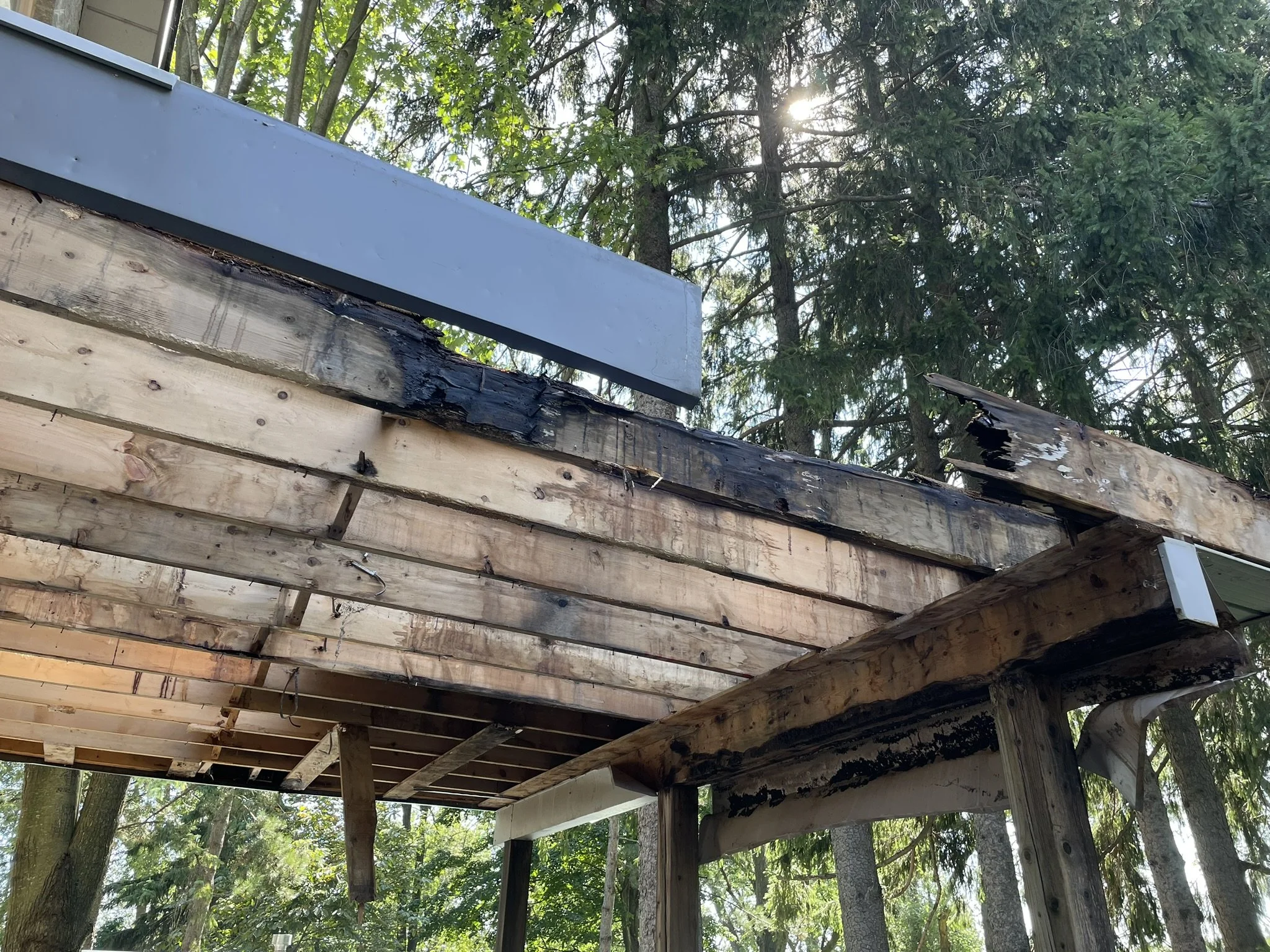
Premature deck failure is often caused by trapped moisture, poor airflow, or improper construction rather than surface wear alone.
This deck we demolished in Pickering failed prematurely due to improper framing practices and materials. In this case, the decking material would have made no difference, since the underlying frame was completely rotten.
How Does Ontario Weather Affect a Deck?
Decks in Ontario face demanding conditions throughout the year. They are exposed to wide seasonal temperature swings, repeated wetting and drying, snow, ice, and prolonged seasonal moisture.
Freeze-Thaw Cycles
When water gets into wood checks (natural separation between wood grains), joints, or fastener penetrations and then freezes, it expands. Over time, repeated freeze-thaw cycles can contribute to cracking, splitting, and gradual deterioration.
Snow and Ice
Snow itself is not always the main problem. The bigger issue is repeated melting and refreezing, especially when moisture remains trapped in the deck structure.
This is one reason drainage and airflow matter so much in Ontario deck construction.
Summer UV Exposure
Sun exposure can dry out, fade, and weather deck surfaces over time. Wood is especially vulnerable without regular protection. Even lower-maintenance decking products still experience seasonal expansion, contraction, and surface aging.
Seasonal Moisture
Rain, humidity, wet leaves, and snowmelt all contribute to long-term moisture exposure. In our experience, decks with poor drainage and poor ventilation consistently age faster than decks that are able to dry properly between weather events.
How Can You Tell If a Deck Needs Repair or Replacement?
Many homeowners start thinking about deck lifespan when their existing deck begins showing visible signs of wear. The key question is not simply whether the deck looks old. It is whether the deck is still structurally sound and safe to use.
Soft Spots or Rot
Soft wood often signals that moisture has already caused significant deterioration. This can affect deck boards, stairs, posts, framing, and other structural components. Rot is especially common in shaded areas, near stair landings, and anywhere debris has been allowed to collect over time.
Wobbly Railings
Loose or unstable railings are a serious safety concern. Railings should feel solid under load. Movement often points to weakened posts, poor connections, or structural deterioration.
Cracked, Splitting, or Severely Worn Boards
Surface wear does not always mean the whole deck needs replacement, but it should not be ignored. Boards that are splitting, splintering, cupping badly, or deteriorating quickly may indicate age, moisture exposure, or both.
Sagging or Uneven Areas
A deck that feels uneven, bouncy, or visibly sagged may have framing issues, footing issues, or structural movement that should be evaluated promptly.
Corroded Fasteners or Failing Connections
Older decks sometimes show rusted hardware, failing connectors, or loose structural connections. Even if the deck boards appear acceptable, the integrity of the assembly may already be compromised.
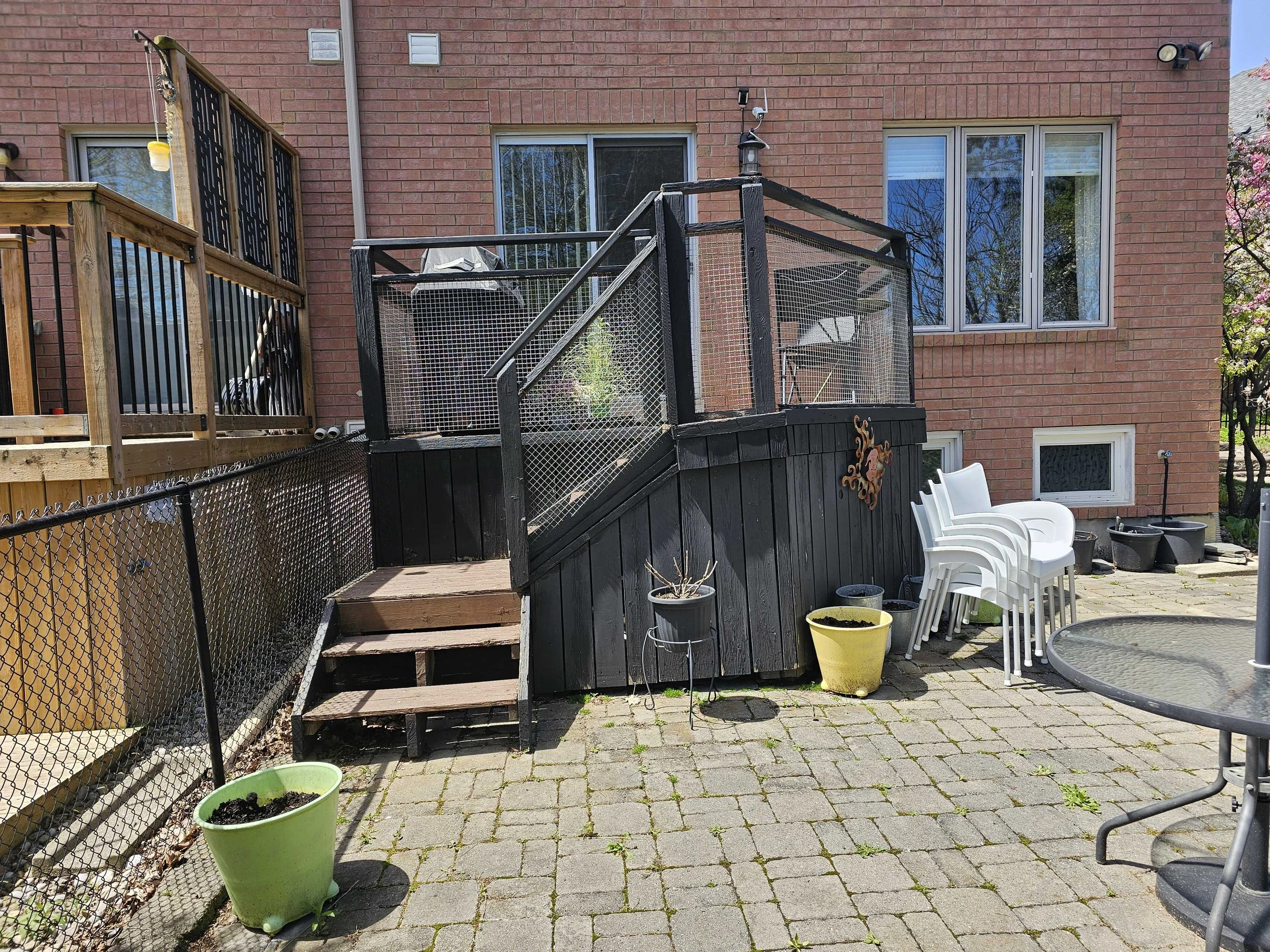
Surface wear can sometimes be repaired, but structural movement, rot, or unsafe railings often point to deeper problems, as was the case with this deck we demolished in Newmarket.
When Is It Better to Repair, Resurface, or Replace a Deck?
This depends on the condition of the structure, not just the condition of the deck boards.
Repair May Be Enough If:
A repair may make sense when the framing is still sound and the problems are limited to a few boards, stairs, or railing components. If the deck remains structurally solid overall, localized repairs can sometimes extend service life.
Resurfacing May Be Worth Considering If:
Resurfacing may be worth considering when the substructure is still in very good condition and the surface boards are the main issue. However, this only makes sense when the existing framing was built to a standard that supports the new material and still has meaningful life left.
Resurfacing should be approached carefully. Replacing the surface while leaving aging framing underneath can create a mismatch in lifespan and performance. When considering “lifetime” decking materials such as high end composites or PVC, we almost always recommend a rebuild over a resurface.
Full Replacement Is Often Best If:
Full replacement is often the better long-term choice when:
the framing shows rot or soft spots
the railings are unsafe
stairs or structural supports are failing
the deck was poorly built to begin with
the existing structure is already near the end of its service life
In many cases, replacement is the safer and more cost-effective long-term decision.
How Can You Make a Deck Last Longer?
No deck lasts forever, but good habits and good design can make a major difference.
Keep It Clean
Remove leaves, dirt, and debris regularly, especially in corners, between boards, and in shaded areas. Organic buildup traps moisture and speeds up deterioration.
Inspect It Annually
Look over the deck each year for loose boards, movement in railings, signs of rot, cracking around fasteners, and water-trapping areas. Catching small issues early can prevent much bigger repairs later.
Protect Wood Decks
Wood decks benefit from periodic sealing or staining, especially when exposed to direct sun, repeated wetting, and seasonal weather extremes.
Avoid Moisture Traps
Planters, outdoor mats, debris piles, and poor drainage details can all hold water against the deck. Decks last longer when they are able to dry properly.
Use Proper Snow Removal Practices
In winter, take care when clearing snow and ice. Avoid damaging the deck surface with aggressive tools, and be cautious with products that may affect wood fibers or metal hardware over time.
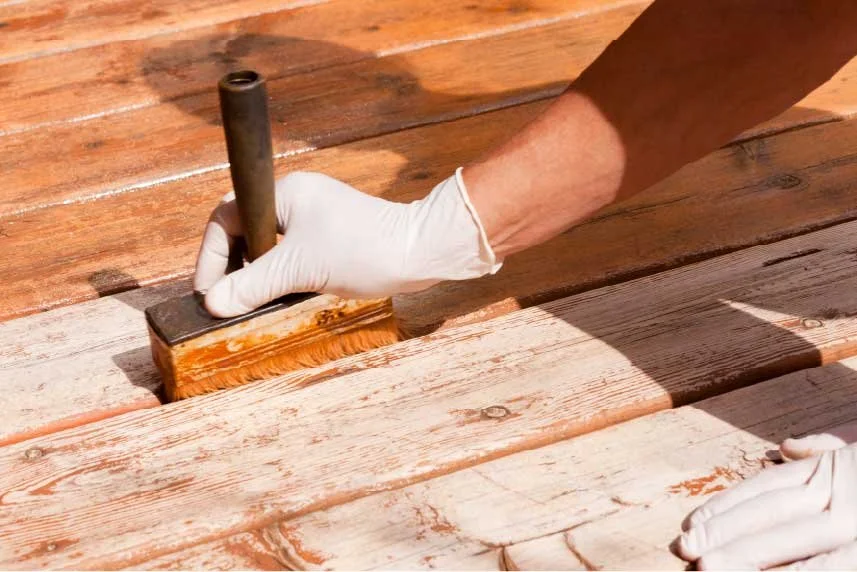
Routine cleaning and annual inspections can go a long way toward extending the life of a deck. For wood decking, regular sealing or staining will help preserve the appearance and lifespan of your deck.
Does Sealing or Staining a Deck Really Matter?
Yes, but only for wood decks.
Sealing and staining helps protect wood from water absorption, UV exposure, and general weathering. It can improve appearance and help extend service life, but they are not a substitute for good construction.
A poorly built deck with trapped moisture will still age badly even if it is stained regularly. On the other hand, a well-built wood deck with good airflow, decent drainage, and consistent maintenance can last a surprisingly long time.
For most wood decks, staining or sealing should be viewed as one part of a broader maintenance strategy rather than the single factor that determines longevity.
Is a Deck Worth the Investment If It Will Eventually Need Replacement?
For many homeowners, yes.
A deck is not just a structure. It adds usable outdoor living space, improves how a backyard functions, and can add meaningful value to a home when designed and built properly.
The key is to think beyond upfront cost alone. A cheaper deck that fails early or demands constant repairs can become more expensive over time than a better-built deck with longer-lasting materials and fewer maintenance demands.
When comparing options, the better question is often not “What is the cheapest deck to build?” but rather “What gives me the best value over the life of the deck?” Homeowners comparing materials and scope often start by reviewing deck pricing options.
Final Thoughts: How Long Should You Expect a Deck to Last?
In Ontario, a deck’s lifespan depends on materials, maintenance, weather exposure, and—most importantly—construction quality.
As a general guide:
Pressure-treated wood: around 15 to 25 years
Cedar: around 15 to 25 years
Composite: around 25 to 35 years
PVC: around 30 to 50+ years
But those numbers only tell part of the story. We regularly see decks that fail early because of trapped moisture, poor airflow, weak detailing, or aging framing. We also see older decks that have held up surprisingly well because they were built properly and cared for consistently.
If your deck is starting to show signs of age, the smartest next step is not to guess. It is to assess the condition of the structure, identify any safety concerns, and determine whether repair, resurfacing, or replacement makes the most sense. A good starting point is to perform a 5-step deck audit before deciding on repairs or replacement.
If you are planning a new deck, choosing the right materials is important—but making sure the structure is designed and built for long-term performance matters just as much.
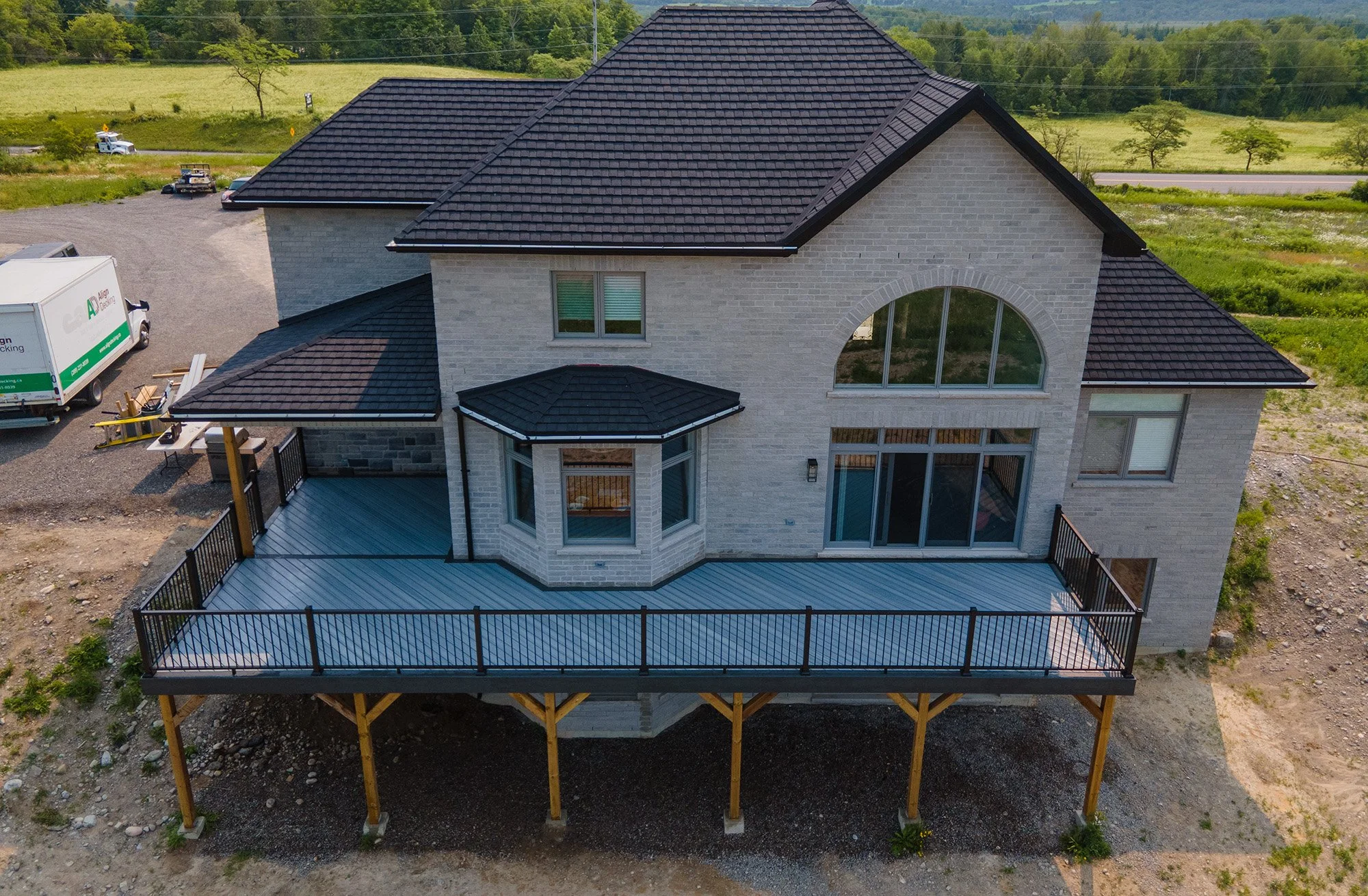
Long-term deck performance starts with good design, proper construction, and choosing materials that suit your goals.
Contact Align Decking
Wondering how much life your current deck has left?
If your deck is showing signs of wear, movement, or rot, we can help you determine whether it makes sense to repair it, resurface it, or replace it with something built for longer-term performance.